
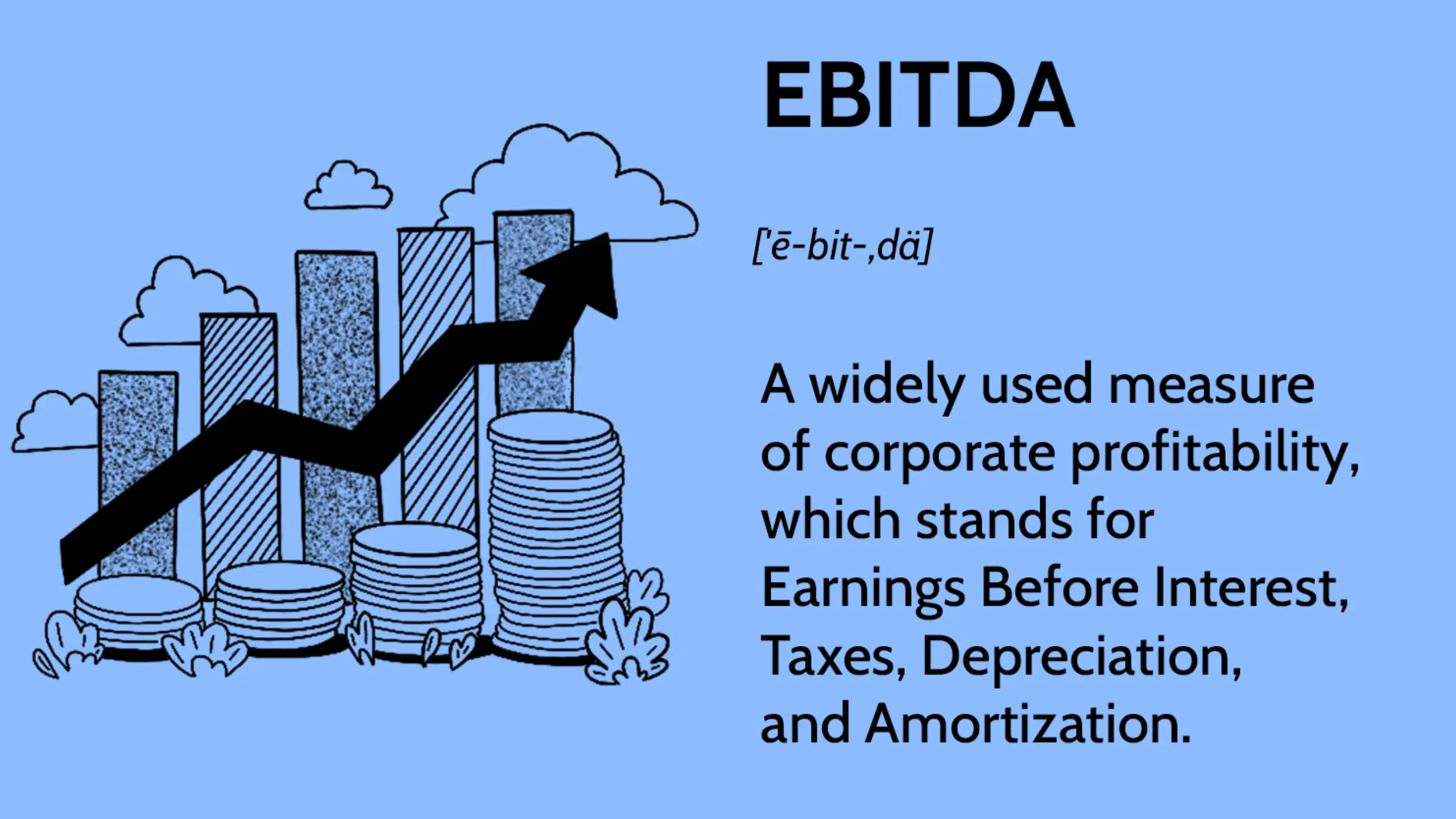
When it comes to evaluating the financial performance of a business. There are several key metrics that analysts and investors use to measure success. One of these metrics is EBITA. Which stands for Earnings Before Interest, Taxes, and Amortization. This article will take a closer look at what EBITA is, how it’s calculated, and why it’s important for understanding a company’s financial health.
What is EBITA?
EBITA is a measure of a company’s profitability that takes into account its operating income before interest, taxes, and amortization. It represents the amount of money a company earns from its core operations, without factoring in any external factors like debt or taxes.
How is EBITA calculated?
The formula for calculating EBITA is relatively straightforward:
EBITA = Operating Income + Depreciation + Amortization
To break it down further:
- Operating Income refers to a company’s earnings from its primary business activities, after deducting expenses related to those activities. This includes things like the cost of goods sold, labor costs, and overhead expenses.
- Depreciation refers to the gradual decrease in the value of a company’s assets over time. This is a non-cash expense that’s added back to operating income in the EBITA calculation.
- Amortization is similar to depreciation but refers specifically to the decrease. In the value of intangible assets like patents, copyrights, and trademarks.
By adding depreciation and amortization back to operating income, we get a clearer picture of how much money a company is making from its core operations.
Why is EBITA important?
EBITA is an important metric for several reasons.
For one, it gives a more accurate representation of a company’s operating income. Since it excludes any one-time expenses like interest or taxes. This can be especially useful when comparing the financial performance of companies in different tax brackets or with varying debt levels.
Additionally, EBITA can help investors and analysts better understand a company’s ability to generate cash flow from its operations. This is because EBITA represents a company’s earnings before any deductions for capital expenditures or other investments.
Finally, EBITA can be a useful tool for evaluating a company’s overall financial health. By looking at trends in EBITA over time, investors can get a sense of whether a company’s core operations are improving or declining. This can provide valuable insight into future growth potential and investment opportunities.
Potential drawbacks of using EBITA
While EBITA can be a useful metric for evaluating a company’s financial performance. It’s important to note that it’s not a perfect measure. For one, it doesn’t take into account any taxes or interest payments a company may be making. Which can be significant expenses for some businesses.
Additionally, EBITA doesn’t factor in any changes in working capital or other non-operating expenses. This means that it may not be a complete representation of a company’s financial health. It should be used in conjunction with other metrics like cash flow and net income.
EBITA vs. EBITDA
It’s worth noting that EBITA is similar to another financial metric called EBITDA (Earnings Before Interest, Taxes, Depreciation, and Amortization). But with one key difference: EBITA excludes depreciation while EBITDA includes it.
Using EBITA to evaluate different industries
One of the benefits of using EBITA as a metric is that it can be useful for comparing companies in different industries. This is because EBITA is calculated based on a company’s core operating income. Which is a more comparable metric than net income (which can be impacted by things like taxes and interest payments).
The limitations of EBITA
While EBITA can be a useful metric for evaluating a company’s financial performance. It’s important to keep in mind its limitations. For example, EBITA doesn’t take into account changes in working capital or other non-operating expenses. Which can have a significant impact on a company’s overall financial health.
Final Thoughts:
EBITA is a valuable metric for understanding a company’s financial performance and profitability. By excluding interest, taxes, and amortization expenses from operating income. Investors can get a clearer picture of a company’s core operations and cash flow. It’s important to keep in mind the limitations of EBITA and use it in conjunction with other financial metrics when evaluating a company’s financial health.